
General information, not legal advice. Whether any step described here helps or hurts a claim depends on your facts, your contract, and your deadlines. Nothing on this site tells you what to do in your situation; an attorney who has reviewed your documents can.
A flood damaged car Florida buyers purchase from a dealer can look spotless on the lot. After hurricane season, water-damaged vehicles move through auctions and lots, and some arrive with no flood brand on the title. This article explains what Florida law requires dealers to disclose and how hidden flood history typically comes to light. It builds on our page about an undisclosed branded title.
What makes a car a flood vehicle in Florida?
Florida law treats water damage as a vehicle history that affects value and safety. Section 319.14, Florida Statutes, covers flood vehicles along with rebuilt, assembled-from-parts, and manufacturer buyback vehicles, and requires the department to brand the title before the vehicle is sold.
The reason the law cares is practical. Water that reaches wiring, control modules, airbag sensors, and seat-mounting hardware tends to cause corrosion and electrical failures that appear months after the sale. Saltwater from storm surge is generally harsher than rainwater flooding.
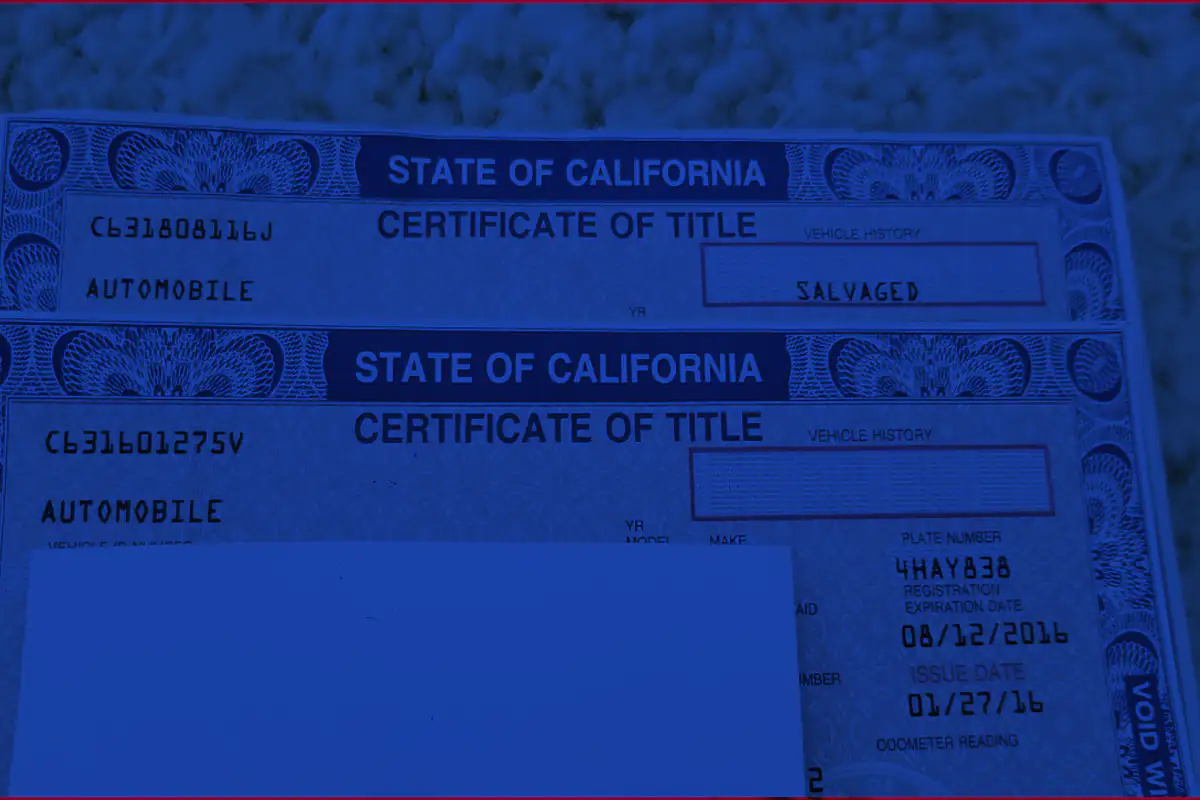
A flood vehicle is not always a "salvage" vehicle. Salvage status under section 319.30 turns on repair cost compared with the vehicle's value, while a flood brand reflects the cause of the damage. Some flooded cars carry one brand, some carry both, and some carry neither. Our explainer on rebuilt, salvage, and flood titles in Florida walks through how the brands differ.
How does a flood title end up hidden?
A brand exists only if someone records it. That is why a flood history can slip past a buyer even in a state with a disclosure statute.
Title washing through other states
A vehicle declared a loss in one state can be retitled in another whose records don't carry the earlier brand forward. The resulting title may look ordinary. Federal law created the National Motor Vehicle Title Information System to reduce this practice, and the NMVTIS program page lists approved history-report providers. Coverage still depends on what each state and insurer reports.
Flooding that never produced a claim
Not every flooded car passes through an insurer. An owner may skip a claim, a lender or auction may dispose of the car quietly, or a wholesaler may buy it cheaply and repair it. With no total-loss report, no brand may ever be issued. The car's flood past then survives only in repair records, auction announcements, and the memory of the people who handled it.
That gap matters legally. A missing brand does not, by itself, answer whether a dealer knew about the water damage or described the car truthfully.
What must a Florida dealer disclose about flood damage?
Three statutory layers apply. Section 319.14 requires written disclosure of a flood vehicle's prior condition before the sale and prohibits knowingly selling one before the title is branded. A violation is a second-degree misdemeanor, and the statute also requires advertising to state the condition.
Section 501.976 lists acts a licensed dealer may not commit, including misrepresenting a vehicle's condition, prior use, or history. Calling a flooded car "clean" or describing water damage as "minor" falls within that kind of conduct. The statute is available on the Florida Senate website, and section 319.14 is posted there as well.
The third layer is FDUTPA, sections 501.201 through 501.213, which treats listed dealer violations as unfair or deceptive practices. The dealer's knowledge is often central. A dealer that bought the car at a flood-vehicle auction, or received an announcement identifying water damage, is in a different position than one with no information at all.
Statutory framework. Section 319.14 addresses branding and written disclosure; section 501.976 addresses dealer misrepresentation; section 501.2105 addresses attorney's fees in FDUTPA actions. Read the sections themselves for the exact terms.
How do you spot a flood damaged car Florida dealers didn't disclose?
Hidden flood history usually surfaces through documents, not appearances. These are the records that typically establish it.
What the paper trail typically shows
A vehicle history report can reveal a prior-state title, a brand in another state, an insurance total-loss entry, or a short ownership chain with a title issued shortly after a major storm. Auction records sometimes list a vehicle as a flood unit. Repair invoices, parts orders for a replaced wiring harness, or a body shop file may describe water intrusion. The dealer's own deal file, including the buyer's guide, the advertisement, and any condition disclosure, shows what was said and when.
What the vehicle itself can show
Physical signs commonly cited include silt or a waterline in the trunk, spare-tire well, or under the seats, rust on seat rails and pedal assemblies, mismatched or new carpet in an older car, a persistent musty odor, fogging inside lamps, and intermittent electrical faults. None of these proves flooding alone. Taken together with the records, they are often what separates a coincidence from a pattern.
The clean title but total loss article covers how history reports can disagree with one another.
Does "as is" protect a dealer that sold a flood car?
An as-is sale is the most common defense raised. The FTC Used Car Rule, 16 C.F.R. Part 455, requires a Buyers Guide on used vehicles, and an "as is" box generally means the dealer disclaims implied warranties. The rule is available through the eCFR.
A warranty disclaimer addresses what happens when a car breaks down. It is a different question from whether the dealer made false statements about the car's history or concealed a brand the statute requires to be disclosed. A dealer's duty under sections 319.14 and 501.976 is not a warranty, so disclaiming warranties does not by its own terms answer it.
Contract language matters, though. Arbitration clauses, integration clauses, and signed acknowledgments can shape how a dispute proceeds. Our article on what "as is" means when buying a used car in Florida covers the distinction in more detail.
What matters if a flood car was sold without disclosure?
General information, not advice for your situation. Whether any step helps or hurts a claim depends on your facts, your contract, and your deadlines; an attorney can tell you which applies.
Several things usually decide these disputes. The first is what the dealer knew or should have known, which is shown through auction paperwork, purchase records, and repair history. The second is what was said or written to the buyer, including online listings, texts, and the buyer's guide. The third is whether the harm is measurable, such as a difference between the price paid and the car's value with its true history, or repair costs traceable to water damage.
Evidence tends to determine the outcome. Documents that prove a claim include the title and registration, the sale contract, the advertisement, messages with the salesperson, and any history report. Missing payments can trigger default regardless of the dealer's conduct, so loan obligations remain a separate issue from the dealer dispute.
Every claim has a deadline, some are short, and the clock can start earlier than people expect. Which deadline applies to a particular purchase depends on the claim, the jurisdiction, and the facts, and is a question for an attorney who has reviewed the documents.
What remedies does Florida law provide?
FDUTPA allows a consumer to recover actual damages under section 501.211, and section 501.2105 allows a prevailing party to recover reasonable attorney's fees from the opposing party. Fee-shifting is why these cases can be pursued even when the dollar amount of the loss is modest.
Section 672.608 of the Uniform Commercial Code addresses revocation of acceptance when a nonconformity substantially impairs a good's value, and the buyer accepted it without knowing of the problem. Whether it fits depends on timing and what the buyer knew when accepting the car. Florida has no cooling-off period for vehicle purchases, so these statutes, not a right to cancel, are the legal paths.
Before suit, section 501.98 requires a written demand to the dealer, which gives the dealer 30 days to respond. The mechanics are covered in suing a car dealer in Florida. Separately, a buyer may file a regulatory complaint, described in our guide to filing a complaint against a car dealer with FLHSMV. The agency can act on licensing, but it does not pursue private damages for a buyer.
Statutory damages and fee awards depend on the facts and the law of each matter, and no outcome can be promised.
Frequently asked questions
Does a clean Florida title mean a car was never flooded?
Does a Florida dealer have to disclose flood damage in writing?
Can a dealer sell a flood car as is and avoid responsibility?
Is there a cooling-off period if a flood history is discovered after the sale?
Submit a free case evaluation. If an attorney can assist, you'll receive an intake questionnaire and retainer agreement.
Start your free case evaluation
This page is attorney advertising and general information, not legal advice. Reading it does not create an attorney-client relationship. Results depend on the facts and law of each matter; prospective clients may not obtain similar results. Statutory damages described are as set by law and are before deductions for attorney's fees and costs. Sue Your Dealer – A Law Firm, Hollywood, Florida · By appointment only · (954) 321-0507.