
Florida consumer protection · Repossession
Wrongful Repossession in Florida: When the Repo Was Illegal
A wrongful repossession in Florida is one the lender had no right to make, or made the wrong way. Florida lets a lender take a car without going to court, but only after a real default, only without breaching the peace, and only if it follows chapter 679, Florida Statutes, afterward: proper notice, a commercially reasonable sale, and an honest deficiency calculation. When a lender skips any of those steps, Florida law can give the borrower claims.
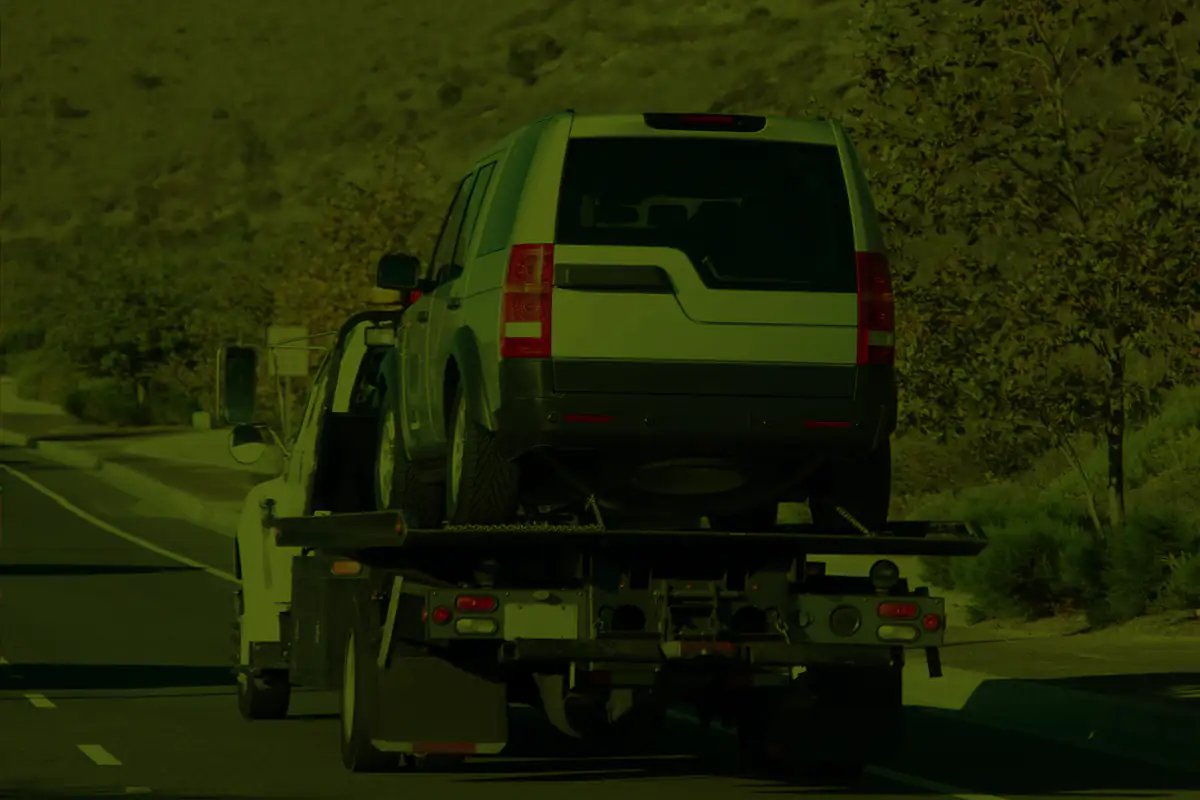
Does a Lender Have to Give Notice Before Repossessing a Car in Florida?
For most auto loans, no. Florida has no general statute requiring a lender to send a warning letter, give you a grace period, or offer a chance to cure before repossessing a vehicle. Under section 679.609, Florida Statutes, a secured lender may take possession of the collateral after default without judicial process, as long as it does so without breaching the peace. Your retail installment contract defines "default," and most contracts make a single missed payment, or a lapse in required insurance, a default. The details are in our post on whether a car can be repossessed for one late payment in Florida.
Two qualifications matter. If your contract itself promises a notice or a cure period, the lender is bound by it. And a lender that has routinely accepted late payments may have waived strict compliance with the due date, so a repossession without warning after months of accepting payments on the 20th can be wrongful, depending on the contract's anti-waiver language.
Wrongful Repossession Florida Law: What Makes a Repo Illegal?
The claims fall into four groups, and a single repossession often involves more than one.
1. There was no default
The lender repossessed a car whose loan was current, misapplied a payment, accepted a payment that brought the account current and then sent the truck anyway, or took the wrong vehicle. A dealer that takes a car back after a "spot delivery" because financing "fell through" is a variation: unless the contract was validly conditioned on financing, there may have been no default and no right to the car. See spot delivery and yo-yo financing.
A repossession without a default can be a conversion of your property. The law can make the lender liable for the value of the car, for what you lost because of it, and in some cases for punitive damages.
2. The repo agent breached the peace
Section 679.609 permits self-help repossession only "without breach of the peace." That phrase is the line between a lawful repossession and an unlawful one, and it is crossed when the agent:
- Takes the car over your contemporaneous objection. Under Florida case law, once a present borrower objects, the agent's self-help right ends and the lender's remedy is the court.
- Enters a closed garage, fenced yard, or gated area without permission, or breaks a lock or gate to get in.
- Uses or threatens force, or physically removes you or a passenger from the vehicle.
- Impersonates law enforcement, claims a court order it doesn't have, or brings a police officer along to lend authority.
- Damages your home, driveway, gate, or another vehicle in the process.
A breach of the peace can give you an independent claim for damages, including injury, emotional distress, and property damage, and it can cost the lender the deficiency, because collateral taken unlawfully wasn't disposed of in compliance with chapter 679.
3. The lender botched the notice or the sale
After a repossession, chapter 679 takes over. The requirements that matter in a consumer auto case:
- Notice of disposition, sections 679.611 through 679.614. Before the car is sold, the lender must send you a written notification a reasonable time in advance. In a consumer transaction it must describe the collateral and method of sale, state that you're entitled to an accounting, give the time and place of a public sale or the date after which a private sale will occur, describe your liability for any deficiency, and give a telephone number for the redemption amount. Missing elements, or a notice sent after the sale, can violate the statute.
- Commercially reasonable disposition, section 679.610. Every aspect of the sale, including method, manner, time, place, and terms, must be commercially reasonable. Selling a $15,000 car at a closed dealer auction for $4,000 with no reconditioning or advertising is the classic problem.
- Application of proceeds and deficiency, sections 679.615 and 679.616. Proceeds are applied first to the reasonable expenses of repossession and sale, then to the debt. In a consumer-goods transaction the lender must send a written explanation of how it calculated any surplus or deficiency, before or with its first written demand for payment or within 14 days after you request it. A deficiency demand with no explanation, or one padded with fees the contract doesn't allow, can be a violation.
- Right to redeem, section 679.623. Until the car is sold, the statute allows the borrower to redeem it by paying the full balance plus the lender's reasonable expenses.
Section 679.625 supplies the remedy. A debtor may recover actual damages caused by a failure to comply with chapter 679, and in a consumer-goods transaction may recover, in any event, a statutory amount equal to the credit service charge plus 10 percent of the principal amount of the obligation, or the time-price differential plus 10 percent of the cash price. When the lender's compliance is put in issue in a deficiency case, section 679.626 governs, and a lender that can't prove proper notice and a commercially reasonable sale can see its deficiency reduced or eliminated.
4. Collection conduct after the repo
The Florida Consumer Collection Practices Act, sections 559.55 through 559.785, applies to lenders, dealers, and collectors alike. Section 559.72 prohibits, among other things, threatening force, willful harassment, calls between 9 p.m. and 8 a.m. without consent, asserting a legal right the collector knows doesn't exist, and contacting you directly after being told you're represented by an attorney. Section 559.77 provides actual damages, statutory damages of up to $1,000, and attorney's fees.
What About Your Personal Property in the Car?
The lender's security interest covers the vehicle, not the things inside it. Chapter 493, Florida Statutes, which licenses recovery agents, requires the agent to inventory personal effects found in a repossessed vehicle and make them available to you. An agent that refuses to return your property, conditions its return on paying the debt, or loses or damages it can be liable for conversion, and the lender is generally responsible for its agent. A written request for the inventory, and photographs of what comes back, are how that claim is usually documented.
Did GAP or Force-Placed Insurance Cause the "Default"?
A lender that believes your insurance has lapsed may add collateral protection insurance to your loan at several times the market rate, then treat the resulting payment shortfall as a default. If you had coverage all along, or the lender never sent the notice the contract requires before force-placing, the default may be manufactured. And after a total loss, GAP coverage is supposed to pay the difference between the insurance settlement and the loan balance. When the dealer collected a GAP premium and never forwarded it, the "deficiency" may be the dealer's responsibility rather than yours. That claim is explained in GAP premium fraud.
Being Sued for a Deficiency Balance After a Repossession?
After the sale, the lender or a debt buyer may sue for the difference between the sale price and what you owed, plus expenses. A summons that goes unanswered ends in a default judgment, which forfeits every defense on this page; the deadline printed on it is the one that controls. The defenses in a wrongful repossession Florida case are procedural, and the lender's own notices and sale records usually contain the violation:
- No notice of disposition, or a notice missing the elements section 679.614 requires.
- A sale price far below market with no evidence of a commercially reasonable process.
- No section 679.616 explanation of the deficiency calculation.
- A breach of the peace during the repossession.
- Fees in the deficiency that the contract doesn't authorize.
- A debt buyer that can't produce the contract or the chain of assignment.
Chapter 679 and FCCPA claims can also be brought as counterclaims in the deficiency case.
What Matters After a Repossession in Florida
- A record of what happened Date, time, place, what the agent said and did, whether you objected, whether a gate or garage was involved, and who witnessed it. Doorbell or security video is often the strongest evidence of a breach of the peace.
- The loan file The retail installment contract, payment history, bank records, insurance declarations, every letter or text from the lender, and any notice you received before or after the sale are what show whether there was a default and whether chapter 679 was followed.
- Personal property A written request to the recovery agency for the inventory, and a record of what's returned, document the conversion claim if belongings go missing.
- Redemption and its deadline Section 679.623 allows redemption before the sale, and some lenders reinstate instead. The window closes at the sale, and only a written agreement with the lender reliably proves a reinstatement.
- Releases and "voluntary surrender" forms These documents are drafted to waive the claims described here, which is why they are worth an attorney's review before signing.
- Submit a free case evaluation. If an attorney can assist, you'll receive an intake questionnaire and retainer agreement. Where the lender is also the dealer, as in a buy-here-pay-here deal, the FDUTPA claim starts with the written demand described in Suing a Car Dealer in Florida.
Lenders frequently report a repossessed account inaccurately: a deficiency that was never properly calculated, missed payments dated after the car was gone, or a charge-off on an account that was current when the car was taken. Those are Fair Credit Reporting Act claims, handled by our sister firm, Sue Your Credit Report.
Sue Your Dealer represents borrowers, not lenders, throughout Florida. Other claim types are on the auto fraud attorney page.
Florida Repossession Questions
Can a car be repossessed in Florida without notice?
What is a breach of the peace during a repossession?
Can the repo company keep my belongings that were in the car?
What happens if the lender didn't send a notice before selling my car?
Do I still owe money after my car is repossessed in Florida?
Was your repossession illegal?
Submit a free case evaluationUpload your documents and an attorney will review them. No cost, no obligation.
This page is attorney advertising and general information, not legal advice. Reading it does not create an attorney-client relationship. Results depend on the facts and law of each matter; prospective clients may not obtain similar results. Statutory damages described are as set by law and are before deductions for attorney's fees and costs. Sue Your Dealer – A Law Firm, Hollywood, Florida · By appointment only · (954) 321-0507.